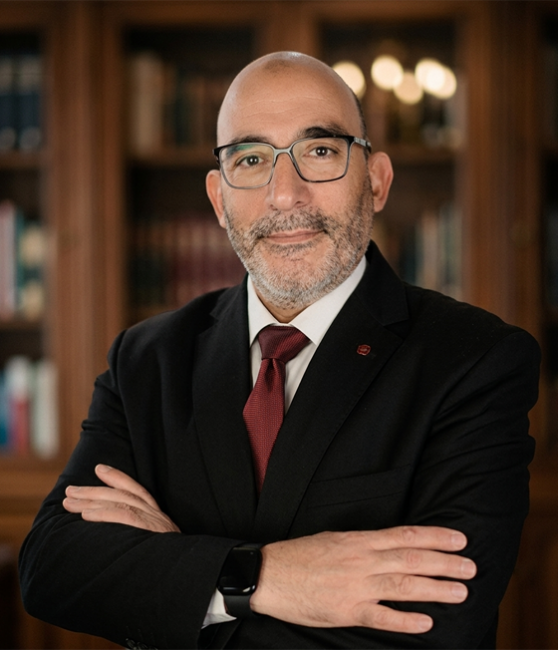
With over three decades of hands-on experience in Supply Chain and Logistics management, Dr. Gamal AbdelAzim stands as one of the leading voices in the field.His expertise bridges academic excellence and real-world industry impact, enabling him to shape the next generation of supply chain leaders.
Instructor at the College of International Transport & Logistics- Cairo.
Instructor at the School of Continuing Education - The American University in Cairo.
Head of the Supply Chain & Logistics Committee - The Arab Scientific
Member of the Egyptian Maritime Salon
Advisory Board Member at the College of International Transport &Logistics- Arab Academy for Science, Technology & Maritime Transport (Alexandria)
Dr. Gamal combines strategic vision, operational expertise, and academic depth to deliver impactful training, advisory,and leadership in the ever-evolving world of supply chain and logistics. COOS
مرحلة التشخيص
نحلل المعلومات المجمعة لتحديد الأسباب الجذرية للتحديات وفجوات الأداء. تحول هذه المرحلة البيانات إلى رؤى قابلة للتنفيذ تدعم اتخاذ القرارات المستنيرة.
التنفيذ
يعمل مستشارونا عن كثب مع القادة وفرق العمل لتنفيذ الخطط، وتتبع التقدم، وتحقيق نتائج مستدامة.
دعم تنفيذ المشاريع وإدارة التغيير.
تسهيل برامج بناء القدرات والتدريب.
مراقبة مؤشرات الأداء الرئيسية ومراحل المشروع.
توفير التدريب والدعم الاستشاري المستمر
مراجعة النتائج ودفع عجلة التحسين المستمر.
تخطيط العمل
نطور خطة عمل عملية وقابلة للقياس تتوافق مع الأهداف الاستراتيجية للمنظمة والموارد المتاحة.
مبادرات ومشاريع التحسين هي جهود منظمة ومخططة تهدف إلى إحداث تغييرات إيجابية في الأداء، أو العمليات، أو المنتجات، أو الخدمات داخل المؤسسة لتحقيق أهداف محددة وزيادة الكفاءة والفعالية.
تحديد الأهداف، ومؤشرات الأداء الرئيسية، ومقاييس النجاح.
تحديد المسؤوليات والجداول الزمنية.
وضع خطط لإدارة التغيير والتواصل.
ترتيب المبادرات حسب الأولوية بناءً على الأثر وقابلية التنفيذ.
تقييم المنظمة
كل تحول ناجح يبدأ بفهم شامل للمنظمة. نحن نجري تقييماً شاملاً لتقييم الأداء الحالي، والهيكل التنظيمي، وعمليات الأعمال، وقدرات القوى العاملة، والفعالية التشغيلية.






 Arabic